
 Pусский

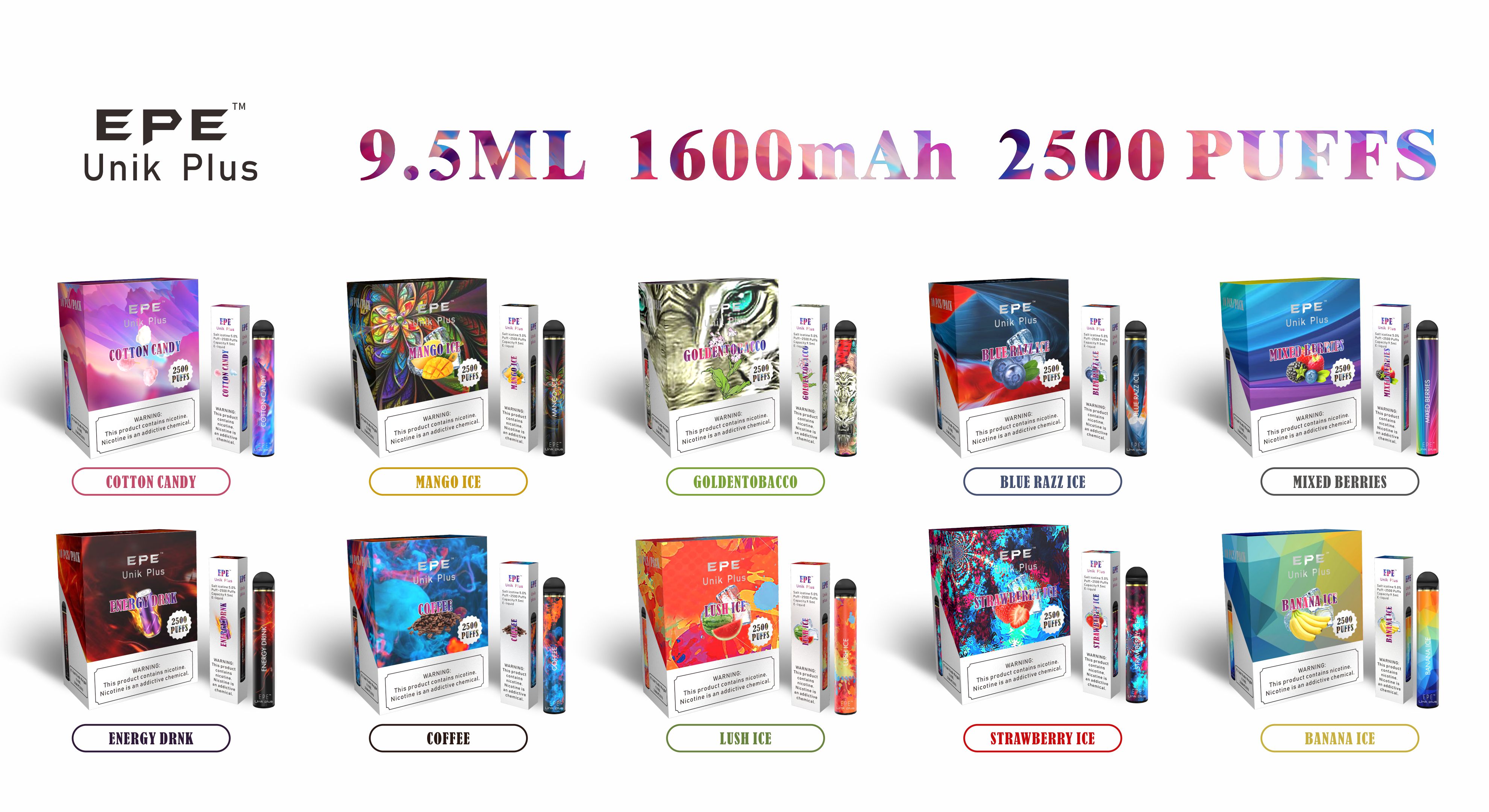
he e-cigarette regulatory policy is clear and becomes the driving force for the development of the industry
According to public data, in 2000, Chinese-made e-cigarettes accounted for more than 90% of the global total, of which 80% were sold to European and American markets. According to Leyi data, in 2019, 218 countries and regions in the world purchased electronic cigarettes from China (Mainland), with an export value of 76.585 billion yuan.
Among them, the top three exporting countries and regions are the United States (19.514 billion yuan, accounting for 25.48%), Hong Kong, China (16.412 billion yuan, accounting for 21.43%) and Japan (8.225 billion yuan, accounting for 10.74%). In addition, the top exporting countries and regions include the Netherlands, Britain, Germany, South Korea, Russia and India.
Although the global e-cigarette development is affected by regulatory policies, the growth rate of its market scale is obviously not as significant as in the previous period; However, due to the implementation and clarity of the regulatory policy, it is beneficial for the market to see clearly the prospect of the e-cigarette industry, standardize the development of the industry, and avoid the inferior e-cigarette products harming consumers' health. For example, the PMTA (Pre-marketing Review of Tobacco) mechanism introduced by FDA (Food and Drug Administration of the United States), and the top three electronic atomized tobacco brands in the United States, Juul, Vuse and Njoy, have submitted materials. It can be said that the clarity of regulatory policies has become an important driving force for the industry, making its development more standardized, orderly and safe.
The epidemic has limited impact on e-cigarettes, and the policy is good for China's exports
From the market reaction point of view, from 2018 to 2019, the US electronic atomized cigarette market still maintained a growth rate of more than 20%, which has gradually got rid of the impact of the regulatory policy in 2016 and entered a stable growth period. In terms of single consumption level, according to Euromonitor data, the per capita consumption of electronic atomized cigarette smokers in the United States was only about US$ 200 in 2018, and increased to nearly US$ 300 in 2019, an increase of more than 40% year-on-year.
In addition, as more and more people are pursuing a healthy life and awakening their health awareness, e-cigarettes are used to solve the contradiction between the health demands of traditional cigarette consumers and the pain points of quitting smoking. This is an important reason for the popularity of e-cigarettes around the world and the ever-expanding consumer scale. According to John Dunne, Chairman of the Board of Directors of the British Electronic Cigarette Association (UKVIA), 60% of smokers in Britain said they wanted to quit smoking. This is a common feature of many markets around the world.
Therefore, on the whole, the e-cigarette market will continue to grow, and achieve orderly and benign development under the regulation of regulatory policies. China's e-cigarette export is expected to continue the previous strong trend. Even considering the impact of the epidemic, it is estimated that the impact of the epidemic on the e-cigarette market is relatively limited based on the monitoring of major international e-cigarette brands and market institutions. For example, Anglo American International's electronic atomized cigarette brand achieved revenue of 265 million pounds in the first half of 2020, a year-on-year increase of 40.8%; According to Nielsen's monitoring data from April 3rd to May 2nd, the overall sales of mainstream e-cigarette products decreased by 12.8%, but it is expected to maintain an annual growth of 16.3%. Therefore, the export trend will not change fundamentally.
At the same time, more importantly, e-cigarette products in the European and American markets are currently not possible to leave the Chinese industrial chain; China continues to participate in signing regional economic and trade agreements and create a favorable foreign trade environment. For example, the RCEP agreement signed with 14 Asia-Pacific countries in November is conducive to reducing the tax rate between China and these 14 countries. All these are helpful to the export of Chinese electronic cigarette products. The continuous export of high-quality electronic cigarette products will help enhance the recognition and popularity of Chinese brands among overseas consumers, and provide convenience for products from other industries to enter overseas markets.
Pan Helin, executive director of Digital Economy Research Institute of Zhongnan University of Economics and Law, said that every brand that goes out of China is the label of China. Pan Helin stressed that regardless of the size of Chinese products, we must adhere to the quality and quality route, because the mode of relying on scale growth has basically come to an end.
Chinese e-cigarette enterprises should develop to high value-added end
However, it should be emphasized that in the e-cigarette industry chain, manufacturers living in the middle reaches have relatively low industrial value (added value), while R&D design and brand sales are relatively high. Although there are many e-cigarette manufacturers in China, most of them participate in overseas markets by ODM/OEM, that is, they work for international tobacco companies or other e-cigarette brands. According to public information, more than 70% of e-cigarette value chain is concentrated in terminal sales, and the brand premium effect is obvious.
This is actually not difficult to understand. At present, the overseas e-cigarette market is still dominated by international brands. According to the sales situation of international e-cigarette products, the main market share of electronic atomized cigarettes is still concentrated in international brands such as Juul, Vuse, Blu and Logic. Take the United States as an example. In the first half of 2020, these four brands accounted for more than 95% of the US market share.
It can be seen that China's e-cigarette enterprises still do not occupy the upper end of the value industry chain as a whole. Liu Yuanju, a researcher at Shanghai Institute of Finance and Law, stressed that it is possible to build a development path of independent brands after doing large-scale OEM work, so as to increase its added value. In addition to brand, Pan and Lin think that key core technologies are equally important, otherwise, if we only rely on price route or scale growth, the internationalization road
According to public data, in 2000, Chinese-made e-cigarettes accounted for more than 90% of the global total, of which 80% were sold to European and American markets. According to Leyi data, in 2019, 218 countries and regions in the world purchased electronic cigarettes from China (Mainland), with an export value of 76.585 billion yuan.
Among them, the top three exporting countries and regions are the United States (19.514 billion yuan, accounting for 25.48%), Hong Kong, China (16.412 billion yuan, accounting for 21.43%) and Japan (8.225 billion yuan, accounting for 10.74%). In addition, the top exporting countries and regions include the Netherlands, Britain, Germany, South Korea, Russia and India.
Although the global e-cigarette development is affected by regulatory policies, the growth rate of its market scale is obviously not as significant as in the previous period; However, due to the implementation and clarity of the regulatory policy, it is beneficial for the market to see clearly the prospect of the e-cigarette industry, standardize the development of the industry, and avoid the inferior e-cigarette products harming consumers' health. For example, the PMTA (Pre-marketing Review of Tobacco) mechanism introduced by FDA (Food and Drug Administration of the United States), and the top three electronic atomized tobacco brands in the United States, Juul, Vuse and Njoy, have submitted materials. It can be said that the clarity of regulatory policies has become an important driving force for the industry, making its development more standardized, orderly and safe.
The epidemic has limited impact on e-cigarettes, and the policy is good for China's exports
From the market reaction point of view, from 2018 to 2019, the US electronic atomized cigarette market still maintained a growth rate of more than 20%, which has gradually got rid of the impact of the regulatory policy in 2016 and entered a stable growth period. In terms of single consumption level, according to Euromonitor data, the per capita consumption of electronic atomized cigarette smokers in the United States was only about US$ 200 in 2018, and increased to nearly US$ 300 in 2019, an increase of more than 40% year-on-year.
In addition, as more and more people are pursuing a healthy life and awakening their health awareness, e-cigarettes are used to solve the contradiction between the health demands of traditional cigarette consumers and the pain points of quitting smoking. This is an important reason for the popularity of e-cigarettes around the world and the ever-expanding consumer scale. According to John Dunne, Chairman of the Board of Directors of the British Electronic Cigarette Association (UKVIA), 60% of smokers in Britain said they wanted to quit smoking. This is a common feature of many markets around the world.
Therefore, on the whole, the e-cigarette market will continue to grow, and achieve orderly and benign development under the regulation of regulatory policies. China's e-cigarette export is expected to continue the previous strong trend. Even considering the impact of the epidemic, it is estimated that the impact of the epidemic on the e-cigarette market is relatively limited based on the monitoring of major international e-cigarette brands and market institutions. For example, Anglo American International's electronic atomized cigarette brand achieved revenue of 265 million pounds in the first half of 2020, a year-on-year increase of 40.8%; According to Nielsen's monitoring data from April 3rd to May 2nd, the overall sales of mainstream e-cigarette products decreased by 12.8%, but it is expected to maintain an annual growth of 16.3%. Therefore, the export trend will not change fundamentally.
At the same time, more importantly, e-cigarette products in the European and American markets are currently not possible to leave the Chinese industrial chain; China continues to participate in signing regional economic and trade agreements and create a favorable foreign trade environment. For example, the RCEP agreement signed with 14 Asia-Pacific countries in November is conducive to reducing the tax rate between China and these 14 countries. All these are helpful to the export of Chinese electronic cigarette products. The continuous export of high-quality electronic cigarette products will help enhance the recognition and popularity of Chinese brands among overseas consumers, and provide convenience for products from other industries to enter overseas markets.
Pan Helin, executive director of Digital Economy Research Institute of Zhongnan University of Economics and Law, said that every brand that goes out of China is the label of China. Pan Helin stressed that regardless of the size of Chinese products, we must adhere to the quality and quality route, because the mode of relying on scale growth has basically come to an end.
Chinese e-cigarette enterprises should develop to high value-added end
However, it should be emphasized that in the e-cigarette industry chain, manufacturers living in the middle reaches have relatively low industrial value (added value), while R&D design and brand sales are relatively high. Although there are many e-cigarette manufacturers in China, most of them participate in overseas markets by ODM/OEM, that is, they work for international tobacco companies or other e-cigarette brands. According to public information, more than 70% of e-cigarette value chain is concentrated in terminal sales, and the brand premium effect is obvious.
This is actually not difficult to understand. At present, the overseas e-cigarette market is still dominated by international brands. According to the sales situation of international e-cigarette products, the main market share of electronic atomized cigarettes is still concentrated in international brands such as Juul, Vuse, Blu and Logic. Take the United States as an example. In the first half of 2020, these four brands accounted for more than 95% of the US market share.
It can be seen that China's e-cigarette enterprises still do not occupy the upper end of the value industry chain as a whole. Liu Yuanju, a researcher at Shanghai Institute of Finance and Law, stressed that it is possible to build a development path of independent brands after doing large-scale OEM work, so as to increase its added value. In addition to brand, Pan and Lin think that key core technologies are equally important, otherwise, if we only rely on price route or scale growth, the internationalization road


